From an early age, I saw the importance of education and had a love of learning. When I was 7, I would play school in my room, teaching imaginary students how to read, write, add, and subtract. Learning was as natural to me as breathing. I understood the value in learning and the empowerment of knowledge. As I grew older, I wanted to share that feeling with others. Which is why I became a teacher.
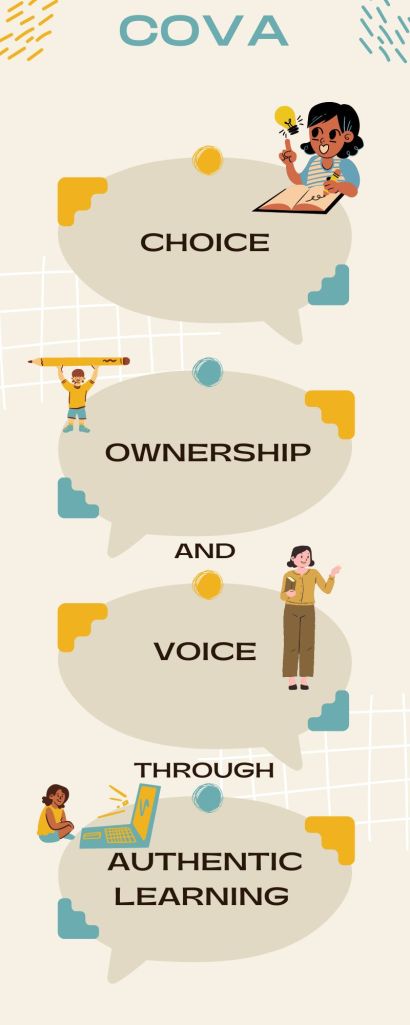
As a student, I found that learning became easier when I knew why I was learning something. It became relevant to me and inspired me to learn even more about it if I knew I could apply it to the real world outside of a classroom.
When I became a teacher 26 years ago, there were no iPads, Promethean boards, or even the internet. In 1995, I was a first year teacher in a pre-K classroom with 24 bright eyed, smiling faces focused on my every word. They were attentive, engaged, and eager to learn. The way I taught then, is nothing like the way I teach now. Technology has changed the field of education in ways we could never have imagined. This year in my second-grade classroom, there are videos, Sheros, Ollies, iPads, and various learning apps. There is engagement and student-centered learning. Technology has forever changed the way students learn.
I feel passionate about using technology in the elementary classroom. Students who struggle with reading can practice on reading apps based on scientific research that helps them learn to read. Technology gives us the ability to meet students where they are at and get them to where they need to be. Technology gives students the freedom of voice, the ability to take ownership over their learning, and have a voice in how they present what they have learned. It enables them to create authentic projects that show mastery of content. Technology gives power to learning where simple worksheets only have the power to assess.
While most schools now have technology of some sort, one thing I feel we need to work on in Texas is providing funding for Title 1 schools to have Technology Instructional Coaches, 1:1 devices, and training for teachers to incorporate the technology into a rigorous curriculum that meets the state standards. Teachers do not have the time to create technology based lessons, learn new apps on their own, or find time to train their students on how to use them without some kind of support. Technology coaches could help fill this need by working with the teachers in the classroom. Despite an influx of federal funding that can be used for professional development, there are logistical challenges to getting teachers hooked up with blended learning training (Klein, Alyson, 2021). I feel as teachers it is our duty to prepare students to enter a technology rich work environment where they are prepared to meet the challenges of innovation. It’s not just the effort of one, but a collaborative effort that the state needs to embrace with proper funding. I also feel that embracing technology through blended learning where students are given the opportunity to take ownership of their learning is one of the small first steps we can take in breaking free of the idea that learning is always about a numerical grade or a standardized test.
In 2018, our EdTech team introduced me to a learning app called Seesaw. It was new, innovative, and looked like a fun tool to use in my first-grade classroom. I bought five inexpensive Kindle tablets, installed the app, and taught my students how to create a digital journal containing their guided reading station work. I used the app so much that Seesaw invited me to become an Ambassador for my school and asked me to train others to use the app. Two years later, we were forced online because of the pandemic and Seesaw was the only resource we had available to deliver content to primary students. I helped train several teachers on how to create lessons to use during virtual learning. That one innovative step, to simply use a new app in my classroom, became critical to the education of my students during a pandemic. Today, I continue to use the app in creative ways to keep my students engaged digitally. As I look ahead, I can not help but wonder how future innovations in technology will profoundly change the face of education and transform the way students learn.
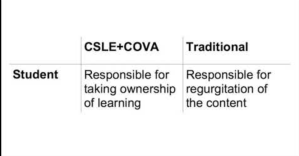
One way I hope to propose technology changes in my district is to help other teachers realize the need for preparing our students for a world of digital learning. By incorporating blended learning into the elementary classroom, we can allow students the flexibility to customize their learning. We are giving them a voice in how they learn and how they express what they have learned. Our world is constantly evolving, and it is only fair to our students that our classrooms are keeping up with those changes as we prepare them for a successful future.
\
 Blended Elementary