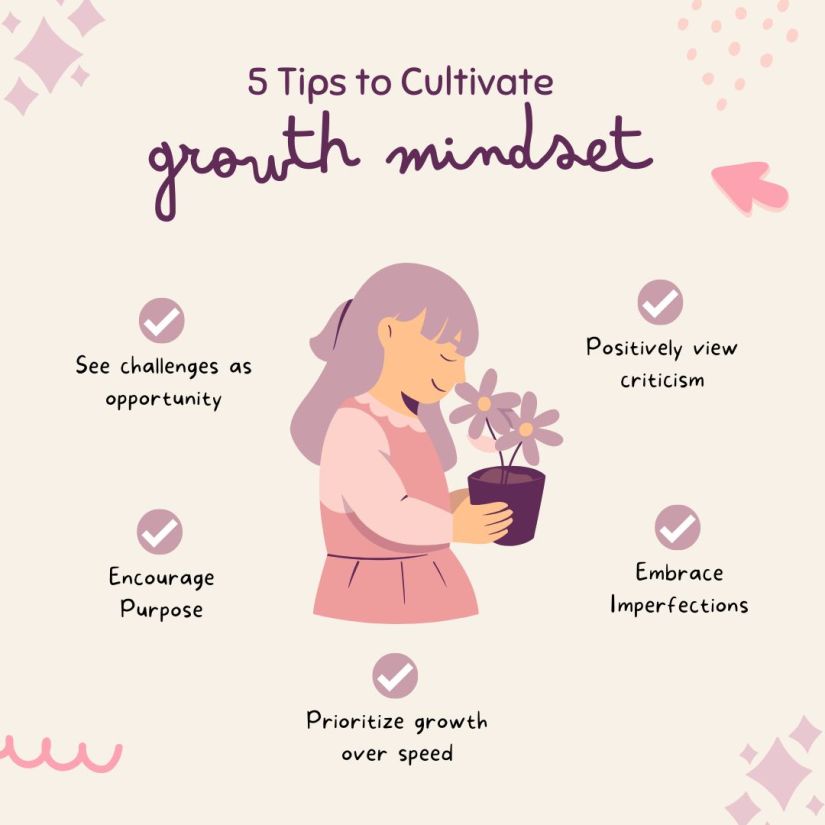
When I started the ADL program, I was very lost and confused. I could not grasp what the expectations were and felt like I had taken on more than I was capable of, especially while teaching full-time. I was missing something and I could not seem to figure it out. The courses felt different and unfamiliar to me. When I did my undergraduate courses, many years ago the expectation was to show up for lectures, complete assignments, and study for tests. In the ADL program, I was given resources, examples, and questions to answer. The expectations for my work were based on something I had never heard of before—COVA. I was nearly at the point of despair and contemplated dropping out. Looking back, it makes sense that during the first rotation of courses I was also introduced to the works of Dr. Carol Dweck and The Growth Mindset.
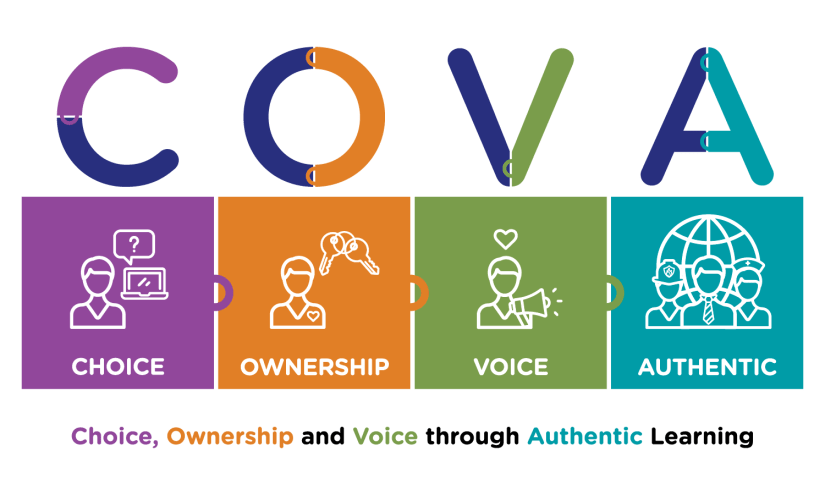
My commitment to furthering my education prompted me to stop and evaluate what my biggest hurdle was in understanding the ADL program. I decided to go to Dr. Harapnuik’s website and look at the ADL program map. This is something I encourage every new student to the ADL program to do before ever beginning the first course. I watched the videos, read the 3-column tables, and looked at the sample assignments from each of the courses in the program. Suddenly, it all began to click. I was in control of my learning. Not just how I learned the material, but I was also in charge of how I presented what I was learning. I had choice, ownership, and voice through these authentic assignments. I now understood the COVA approach to learning. Looking back, I would have studied Dr. Harapnuik’s website much sooner. I hope that my advice will someday help other students in this program.
Innovation Plan
Once I began to understand that I was in control of my learning, things started to fall into place. When I first came up with my innovation plan, I thought of something that I could implement into my classroom, and hoped that other teachers would be interested in trying it as well. My plan to use blended learning in stations was not something I chose to do simply for the coursework. With the implementation of 1:1 devices in my district, I saw teachers struggling with the technology. Incorporating it in ways that enhanced the curriculum and the learning of the students was an area where many teachers needed support. Teachers were using it when students completed their assignments, but were not comfortable using it as a teaching tool. Through my literature research, I began to learn more about the unique benefits of using blended learning in the elementary classroom.
It’s About the Learning
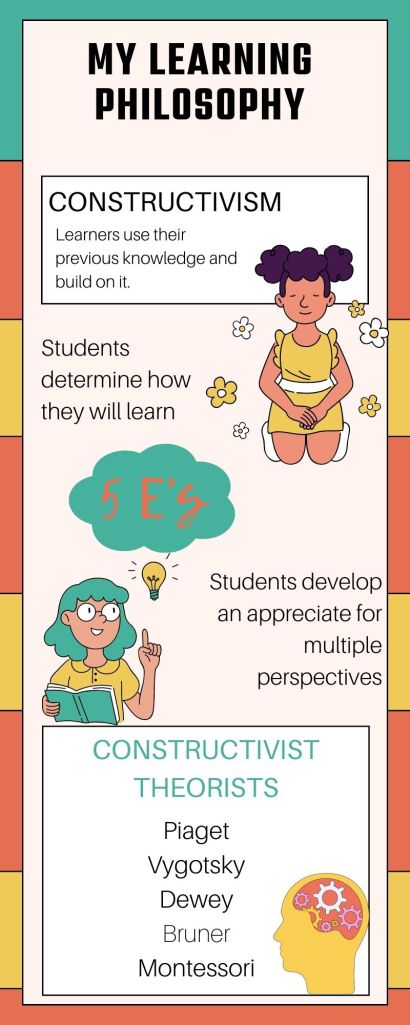
As I began to grow more as a self-directed learner, I began to see how the COVA + CSLE approach aligns with my learning philosophy. CSLE, or creating a significant learning environment, is not just another big idea that will come and go. According to Thomas and Brown (2011), for most of the twentieth century, explicit learning, that which does not change, was enough to sustain our educational practices. The twenty-first century belongs to the tacit. In the new digital world we live in, we learn by doing, watching and experimenting. This thought aligns with my learning philosophy of constructivism. Although I always leaned more toward hands-on learning, and knowing that students learn by doing, I realized that I was succumbing to the old sit and get, assessment-based philosophy of the past. Students today are not the students of twenty years ago, or even five years ago. Now, project-based learning is something I often do with my students through the use of choice boards. I have purposefully incorporated the COVA+CSLE approach in my classroom and have watched my students become excited about opportunities to take control of their learning. I have taught my students how to use apps like Keynote, BookCreator, Seesaw, Garage Band, and Clips. This encouraged them to take control of their learning by giving them choice over how they show what they know using significant learning environments. The outcomes were remarkable. Although my second-graders did not have a concept of COVA+CSLE, they did know they were capable of taking control of their learning. As stated in the book, Blended, by Michael Horn and Heather Staker (2015), blended learning is the engine that can power personalized and competency-based learning. My students were proof of this.
Creating Change
Unfortunately, my campus was under new administration and they were struggling. I was unable to discuss my innovation plan with them or the possibility of implementation. This year we have all new administrators again, which has created another year of adjustments. However, my professional development course that I designed was based on my innovation plan, and I did get feedback from two different department specialists in my district. Our K-5 math specialist thought it should be used for district professional development and gave great feedback. Even though I was unable to implement my Innovation Plan while working through the ADL program, I have not given up on discussing it with the current new administration and I hope to follow up with the district math specialist about using my professional development course.
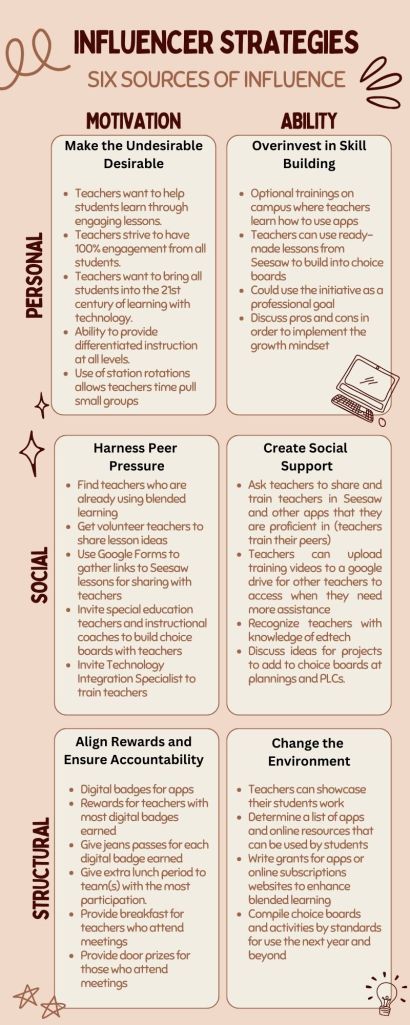
I am excited to see what the future holds for me after completing the ADL program. I am hopeful that I will be able to share my knowledge of the COVA+CSLE approach along with my Innovation Plan with my district and my campus. Some of the pushback that I expect to receive is from teachers who are not willing to embrace more change. Throughout the ADL program, I have learned about having those crucial conversations and developed an influencer strategy to help guide me through the process. Even still, there will be those who are not onboard. As stated by Simon Sinek (2019), it is important to start with the why. Teachers will need to know why blended learning is beneficial to student learning. I will need to focus on the teachers who are willing to make the change and hope they will be leaders for the others.
Final Thoughts
As my ADL journey comes to a close, I am excited and eager to show what I have learned with others. Not only do I feel I am now a better teacher in the classroom, but I feel I am also a better leader on my campus and in my district. Technology is our future. A technology-rich environment is the only world our students know. It is up to us as educators to prepare them for a future of success.
References
Harapnuik. (n.d.). CSLE + COVA. https://www.harapnuik.org. Retrieved February 11, 2023, from https://www.harapnuik.org/?page_id=6988
Patterson, K., Grenny, J., Maxfield, D., McMillan, R., & Switzler, A. (2009). Influencer: The Power to Change Anything, First edition (Hardcover). McGraw-Hill.
Sinek, S (2019) Star with why: How great leaders inspire action. TEDXPuget Sound. A. https://youtu.be/sioZd3AxmnE
Thomas, D., & Brown, J. S. (2011). A New Culture of Learning (1st Edition) Kindle. CreateSpace Independent Publishing Platform.
 Blended Elementary